Lemon Dream: A Playful Display Font
There I was, staring at a blank brand board, trying to figure out how to make a new café identity feel fresh and inviting. The client wanted something that felt approachable but still had a touch of sophistication. I tried several fonts, but none quite hit the right note until I stumbled on Lemon Dream. It wasn’t just the bubbly look or the white shadows that caught my eye—it was the way it made the whole concept feel more alive.
Visual Characteristics and Personality
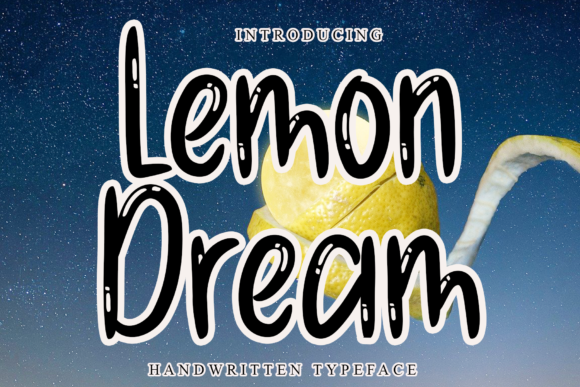
Lemon Dream is a display font with a distinct personality. Its letters are rounded and almost bubble-like, giving it a soft, whimsical feel. The white shadows beneath each character add depth and a sense of lightness, making it stand out without being overwhelming. It’s not a font you’d use for body text, but as a headline or logo font, it brings a fun and friendly energy to any design.
When I first tested it on a logo concept, I was struck by how it balanced playfulness with clarity. The curves and gentle strokes gave it a modern edge while still feeling warm and accessible. It’s the kind of font that can make a brand feel more relatable, especially in industries like food, hospitality, or lifestyle.
Real-World Applications
I used Lemon Dream on a packaging mockup for a boutique skincare line. The font worked well on product labels, where its visual appeal helped draw attention without clashing with the clean, minimal design. It also looked great on a business card, adding a subtle pop of character that didn’t distract from the overall professionalism of the design.
On a website header, Lemon Dream added a playful touch that complemented the site’s modern aesthetic. It was especially effective in hero sections where bold typography is key. In social media graphics, it stood out in posts and banners, helping to create a cohesive visual language across platforms.
One of the most interesting moments came when I placed it on a shop sign. The font’s bubbles and shadows gave it a three-dimensional quality that made the sign feel more dynamic. It was clear, readable, and visually engaging—all important factors for a storefront that needs to catch the eye from a distance.
Strengths and Limitations
Lemon Dream excels as a display or accent font. It’s ideal for short phrases, headlines, or logos where its unique style can shine. However, it’s not suitable for long blocks of text or small sizes, where the rounded shapes might reduce readability. In formal or corporate settings, it could come across as too casual, so it’s best reserved for brands that want to convey a sense of creativity and approachability.
For projects that require a more serious tone—like legal documents, financial reports, or professional portfolios—Lemon Dream would likely be out of place. But for creative or lifestyle brands, it offers a refreshing alternative to more traditional typefaces.
Font Pairing and Design Considerations
When pairing Lemon Dream with other fonts, it’s best to balance its playful nature with something more structured. A serif font like Playfair Display or a sans serif like Montserrat can provide contrast while maintaining visual harmony. For a more handcrafted feel, pairing it with a script or handwritten font can add an extra layer of personality.
It’s also important to consider the context of the design. On a business card, Lemon Dream can be used sparingly to highlight a name or tagline. On a poster or flyer, it can serve as a focal point, drawing the viewer’s attention with its unique style.
Testing Lemon Dream in different scenarios is crucial. I always recommend printing it out or viewing it at various sizes to ensure it maintains its legibility and visual impact. It’s also wise to check how it looks in both dark and light backgrounds, as the white shadows can affect contrast and readability.
Practical Guidance for Designers
If you’re considering using Lemon Dream in client work, it’s essential to review the licensing terms. Commercial font licenses often have specific restrictions, so make sure you understand what you can and cannot do with the font in different applications. This includes web use, print materials, and digital products.
For designers looking to experiment, Lemon Dream is a great choice for personal projects, portfolio pieces, or small-scale branding efforts. It’s a font that encourages creativity and adds a unique touch to any design. Just remember to use it intentionally and with an understanding of its strengths and limitations.